
How Mini Rice Cookers Roll Off the Line? Explore the Rice Cooker Assembly Line
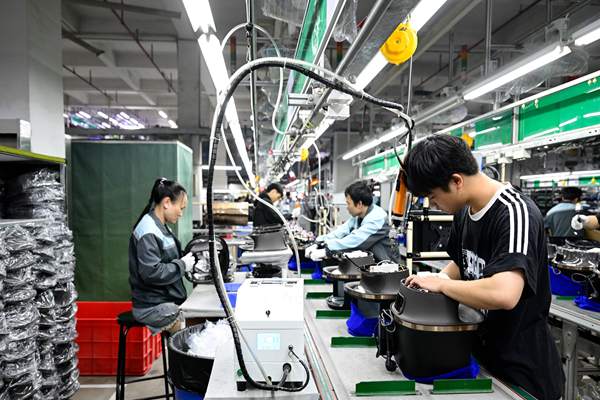
1. Production Philosophy The rice cooker assembly line represents a fascinating intersection of thermal physics, compact electromechanical design, and high-volume lean manufacturing. Unlike large appliance production that relies on heavy robotic cells, rice cooker manufacturing depends on agile, human-centric workflows where precision manual operations coexist with automated testing protocols. The objective is straightforward yet technically demanding: transform stamped metal, molded plastic, and electronic sub-assemblies into a sealed, thermally stable cooking vessel that operates safely at temperatures exceeding 100°C for thousands of cycles. 2. Line Configuration and Takt Design Modern rice cooker assembly lines are typically arranged in a linear, single-piece-flow configuration. Workstations are spaced at intervals calculated by takt time—the precise rhythm between unit completions. Key Layout Characteristics: U-shaped or straight-line flow depending on factory footprint and monthly capacity targets. Overhead tool balancers suspend electric screwdrivers and torque guns, keeping bench surfaces clear. Component kanban racks flank each station, organized by assembly sequence to minimize operator motion waste. Conveyor segments use pallet-based carriers sized to the appliance footprint, indexed by pneumatic stops at each workstation. The line speed is rarely...